工業(yè)機(jī)器人技術(shù)的就業(yè)方向
The employment direction of industrial robot technology
工業(yè)機(jī)器人技術(shù)是一門(mén)實(shí)用性的技術(shù),它涉及到機(jī)器人的應(yīng)用、維護(hù)和開(kāi)發(fā)等方面。隨著工業(yè)機(jī)器人應(yīng)用的不斷普及,這一領(lǐng)域的就業(yè)前景和職業(yè)發(fā)展方向也越來(lái)越廣泛。本文將從工業(yè)機(jī)器人的就業(yè)方向和前景兩個(gè)方面進(jìn)行探討。
The Industrial Robot Technology major is a practical technical field that involves the application, maintenance, and development of robots. With the continuous popularization of industrial robot applications, the employment prospects and career development directions in this field are also becoming more and more extensive. This article will explore the employment direction and prospects of industrial robotics from two aspects.
一、工業(yè)機(jī)器人就業(yè)方向
1、 Employment Direction for Industrial Robotics
1. 機(jī)器人制造廠商
1. Robot manufacturers
機(jī)器人制造廠商是工業(yè)機(jī)器人的首要就業(yè)方向。在這個(gè)領(lǐng)域,學(xué)生可以從事機(jī)器人設(shè)計(jì)、制造、測(cè)試和銷(xiāo)售等方面的工作。在機(jī)器人制造廠商工作需要具備一定的機(jī)械設(shè)計(jì)、電子工程和計(jì)算機(jī)控制等方面的知識(shí)。例如,學(xué)生在校期間可以學(xué)習(xí)機(jī)械制圖、電工電子技術(shù)、C語(yǔ)言等課程,掌握工業(yè)機(jī)器人技術(shù)的基本理論和實(shí)踐技能。
Robot manufacturers are the primary employment direction for industrial robotics professionals. In this field, students can engage in work related to robot design, manufacturing, testing, and sales. Working in a robot manufacturer requires a certain level of knowledge in mechanical design, electronic engineering, and computer control. For example, students can learn courses such as mechanical drawing, electrical and electronic technology, and C language during their school years, mastering the basic theories and practical skills of industrial robot technology.
2. 機(jī)器人應(yīng)用集成商
2. Robot application integrator
機(jī)器人應(yīng)用集成商是將機(jī)器人應(yīng)用到不同領(lǐng)域的公司。這個(gè)領(lǐng)域是工業(yè)機(jī)器人的主要就業(yè)方向之一。學(xué)生可以從事機(jī)器人系統(tǒng)設(shè)計(jì)、編程、調(diào)試和維護(hù)等方面的工作。在機(jī)器人應(yīng)用集成商工作需要具備良好的自動(dòng)化技術(shù)基礎(chǔ),掌握多種編程語(yǔ)言和操作系統(tǒng)。例如,學(xué)生可以學(xué)習(xí)PLC編程、運(yùn)動(dòng)控制技術(shù)、工業(yè)網(wǎng)絡(luò)等課程,為從事機(jī)器人應(yīng)用集成方面的工作做好準(zhǔn)備。
Robot application integrators are companies that apply robots to different fields. This field is one of the main employment directions for industrial robotics professionals. Students can engage in work related to robot system design, programming, debugging, and maintenance. Working in a robot application integrator requires a solid foundation in automation technology, mastery of multiple programming languages and operating systems. For example, students can learn courses such as PLC programming, motion control technology, and industrial networks to prepare themselves for work in robot application integration.
3. 制造業(yè)
3. Manufacturing industry
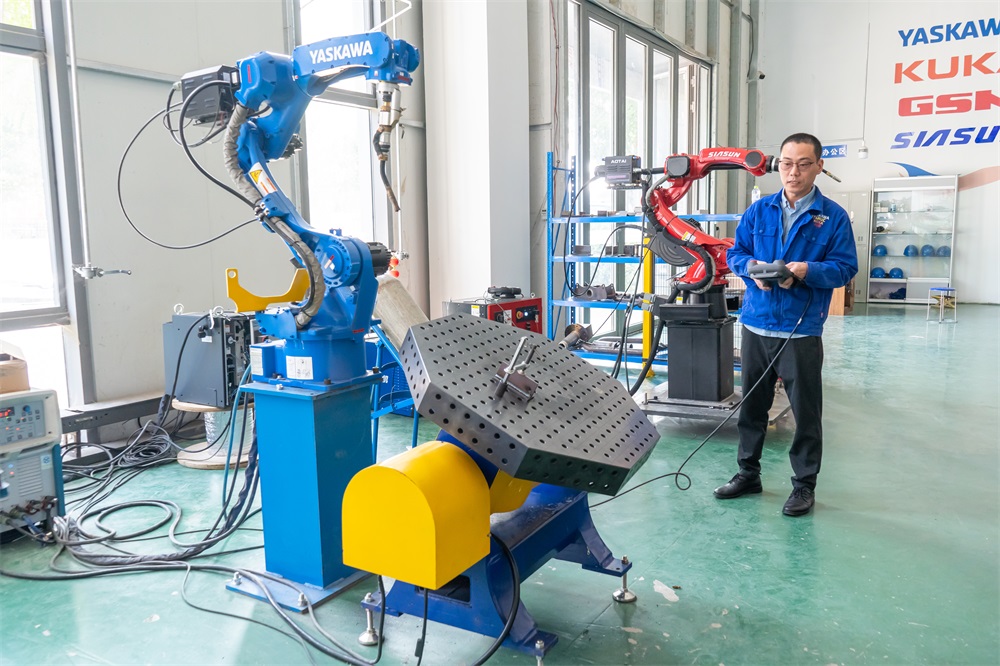
制造業(yè)是工業(yè)機(jī)器人的另一個(gè)主要應(yīng)用領(lǐng)域。學(xué)生可以從事機(jī)器人編程、維護(hù)和運(yùn)營(yíng)等方面的工作。在制造業(yè)工作需要了解各種加工工藝和流程,掌握多種編程語(yǔ)言和工具。例如,學(xué)生可以學(xué)習(xí)數(shù)控技術(shù)、金屬切削加工技術(shù)、生產(chǎn)管理等課程,為進(jìn)入制造業(yè)做好準(zhǔn)備。
Manufacturing is another major application area of industrial robots. Students can engage in work related to robot programming, maintenance, and operation. Working in the manufacturing industry requires understanding various processing techniques and processes, as well as mastering multiple programming languages and tools. For example, students can learn courses such as CNC technology, metal cutting technology, and production management to prepare for entering the manufacturing industry.
二、工業(yè)機(jī)器人就業(yè)前景
2、 Employment prospects for industrial robots
隨著工業(yè)機(jī)器人技術(shù)的不斷發(fā)展和普及,工業(yè)機(jī)器人的就業(yè)前景也越來(lái)越廣闊。未來(lái)幾年,預(yù)計(jì)工業(yè)機(jī)器人技術(shù)人才的需求將繼續(xù)增長(zhǎng)。以下是工業(yè)機(jī)器人的一些就業(yè)前景趨勢(shì):
With the continuous development and popularization of industrial robot technology, the employment prospects of the industrial robot profession are also becoming increasingly broad. In the coming years, it is expected that the demand for industrial robot technology talents will continue to grow. The following are some employment prospects and trends in the field of industrial robotics:
1. 機(jī)器人制造廠商將繼續(xù)招聘機(jī)械設(shè)計(jì)、電子工程和計(jì)算機(jī)控制等方面的人才,以開(kāi)發(fā)更的機(jī)器人技術(shù)。
1. Robot manufacturers will continue to recruit talents in mechanical design, electronic engineering, and computer control to develop more advanced robot technology.
2. 機(jī)器人應(yīng)用集成商將需要更多的機(jī)器人系統(tǒng)設(shè)計(jì)師、程序員和調(diào)試工程師,以應(yīng)對(duì)不同領(lǐng)域的需求。
2. Robot application integrators will require more robot system designers, programmers, and debugging engineers to meet the needs of different fields.
3. 制造業(yè)將需要更多的機(jī)器人編程、維護(hù)和運(yùn)營(yíng)人員,以應(yīng)對(duì)自動(dòng)化升級(jí)和生產(chǎn)效率提高的需求。
3. The manufacturing industry will require more robot programming, maintenance, and operation personnel to meet the needs of automation upgrades and increased production efficiency.
4. 隨著工業(yè)機(jī)器人的普及,新的應(yīng)用領(lǐng)域?qū)⒉粩喑霈F(xiàn),例如醫(yī)療保健、公共服務(wù)、物流等領(lǐng)域,這將為工業(yè)機(jī)器人提供更多的職業(yè)發(fā)展方向。
With the popularization of industrial robots, new application areas will continue to emerge, such as healthcare, public services, logistics, etc., which will provide more career development directions for the industrial robot profession.
需要注意的是,工業(yè)機(jī)器人技術(shù)是一個(gè)不斷更新和發(fā)展的領(lǐng)域。因此,學(xué)生需要具備持續(xù)學(xué)習(xí)和創(chuàng)新的能力,以適應(yīng)行業(yè)的變化和發(fā)展。
It should be noted that industrial robotics technology is a constantly evolving and evolving field. Therefore, students need to have the ability to continuously learn and innovate in order to adapt to changes and developments in the industry.
總之,工業(yè)機(jī)器人是一個(gè)充滿機(jī)遇和挑戰(zhàn)的領(lǐng)域。未來(lái)幾年,工業(yè)機(jī)器人技術(shù)人才的需求將繼續(xù)增長(zhǎng),學(xué)生可以通過(guò)掌握機(jī)械設(shè)計(jì)、電子工程和計(jì)算機(jī)控制等方面的知識(shí),為從事機(jī)器人相關(guān)領(lǐng)域的工作做好準(zhǔn)備。同時(shí),學(xué)生需要具備持續(xù)學(xué)習(xí)和創(chuàng)新的能力,以適應(yīng)行業(yè)的變化和發(fā)展。
In short, the field of industrial robotics is full of opportunities and challenges. In the coming years, the demand for industrial robot technology talents will continue to grow, and students can prepare for work in the field of robotics by mastering knowledge in mechanical design, electronic engineering, and computer control. At the same time, students need to have the ability to continuously learn and innovate in order to adapt to changes and developments in the industry.
本文由工業(yè)機(jī)器人為您精心提供,如想了解更多請(qǐng)點(diǎn)擊我們的網(wǎng)站:http://m.umean.cn,我們將會(huì)以的熱情為您解答!
This article is carefully provided by industrial robots for you. If you want to learn more, please click on our website: http://m.umean.cn We will answer you with the greatest enthusiasm!